

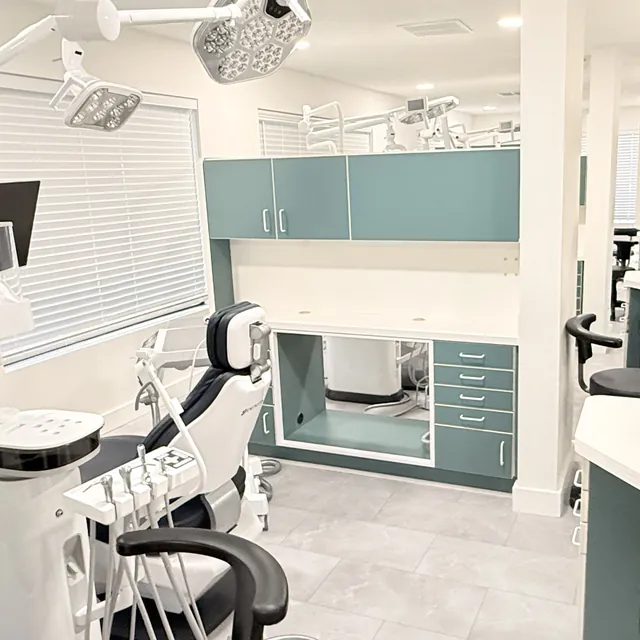
Key Facts: Bone Grafting at ADSC
- ✓ What: Bone Grafting by our multi-disciplinary dental team
- ✓ Where: 18455 SW Alexander St, Beaverton, OR 97006
- ✓ Duration: 1-2 visits depending on complexity
- ✓ Sedation: IV, oral, and nitrous oxide available
- ✓ Insurance: Delta Dental, Cigna, Aetna, MetLife + CareCredit 0% financing
(503) 822-0096 — Schedule your consultation
Bone Loss Is Not Permanent — It Can Be Rebuilt
Jawbone does not maintain itself without teeth. After extraction, trauma, or periodontal disease, the alveolar ridge resorbs — sometimes dramatically. Patients who were told they "don't have enough bone for implants" are often surprised to learn that bone grafting can rebuild what was lost. At Aloha Dental Specialty Center, bone augmentation is a cornerstone of our surgical practice. We graft bone daily — from small socket preservation procedures to major ridge reconstructions that add both height and width to severely atrophic jaws.
Dr. Walied Eldomiaty selects the graft material and technique based on the defect. Small socket defects may need only particulate allograft packed into the socket with a collagen membrane. Larger horizontal deficiencies require guided bone regeneration (GBR) with titanium-reinforced membranes and particulate graft. Severe vertical bone loss may demand an autogenous block graft harvested from the chin or ramus. And when the maxillary sinus has pneumatized into the ridge, a sinus lift — lateral window or crestal approach — is the path forward. CBCT imaging quantifies the defect precisely, so we know before surgery exactly what technique is needed.
Every bone graft placed at ADSC incorporates platelet-rich fibrin (PRF) derived from your blood. PRF is not a gimmick — it is a concentration of your own growth factors (PDGF, VEGF, IGF, TGF-beta) in a fibrin matrix that promotes vascularization and accelerates osteoblast activity at the graft site. The result: faster integration, denser bone formation, and better soft tissue healing over the graft. Graft maturation typically takes 4-6 months, after which the site is re-evaluated with CBCT before implant placement proceeds.
Dr. Ostovar’s Clinical Perspective on Bone Grafting
“I’ve found that successful Bone Grafting outcomes depend on three factors: precise diagnosis with 3D imaging, evidence-based treatment planning, and honest communication with the patient about what to realistically expect. At Aloha Dental Specialty Center, we invest the time to get each of these right. Every patient receives a thorough evaluation with our CBCT cone beam scanner before we discuss any treatment options.”
— Aloha Dental Specialty Center, General Dentist with Dental Implant Focus
For more information on dental health standards, visit the American Dental Association (ADA).
Serving Beaverton, Aloha, Hillsboro & Washington County
Aloha Dental Specialty Center is located at 18455 SW Alexander St, Suite B, in Beaverton, Or Oregon. We serve patients from across the Tualatin Valley and greater Portland metro, including Aloha, Hillsboro, Tigard, Lake Oswego, and Tualatin. Our Beaverton office is a 5-minute drive from Aloha, 10 minutes from Hillsboro, and 15 minutes from Tigard via SW 185th Avenue.
-
📍
Intel Campuses (Ronler Acres & Jones Farm)
10 to 15 minutes via NW 185th Ave. We accommodate the schedules of tech professionals who need efficient, high-quality specialty care.
-
📍
Nike World Headquarters
About 8 minutes via SW Baseline Rd. We frequently see patients from the Nike campus for surgical and implant procedures with sedation options.
-
📍
Streets of Tanasbourne & Orenco Station
Easily accessible via US-26 and NW 185th. Local general dentists in these communities regularly refer patients to us for specialty procedures.
Why Local Dentists Refer to Us
We work as a trusted partner to general dentists throughout the Tualatin Valley. When cases require CBCT-guided planning, IV sedation, bone grafting, or other advanced procedures, local providers refer to Dr. Ostovar for his experience with implant procedures and predictable results.
We handle the procedures within our scope and coordinate closely with your general dentist for seamless continuity of care from start to finish.
Office hours: Mon–Fri 8 AM–5 PM (Thu & Fri until 6 PM), Sat 8 AM–2 PM
Understanding Your Investment
At Aloha Dental Specialty Center, we provide transparent pricing before any treatment begins. The cost of your procedure depends on clinical complexity, materials used, and sedation requirements. We walk you through every line item during your consultation so there are no surprises.
What Affects Cost:
- Clinical Complexity: Bone loss, sinus proximity, nerve involvement, or the need for grafting affects treatment planning and surgical time.
- Materials: We use research-backed implant systems, purified bone graft matrices, and high-strength ceramics from established manufacturers.
- Sedation: Options range from local anesthesia to IV sedation, each with different associated costs. We discuss the best option for your comfort and procedure.
Insurance & Financing
We accept most major dental insurance plans and file claims on your behalf. Our team verifies your benefits before treatment and submits pre-treatment estimates with clinical documentation to maximize coverage.
For out-of-pocket costs, we partner with CareCredit and Cherry for flexible payment plans. We also offer our ADSC Dental Savings Plan for patients without insurance.
Recovery & Healing Timeline
Understanding the healing process helps you plan ahead and follow post-operative instructions for the best possible outcome.
First 48 Hours
Mild swelling and tenderness are normal. Apply ice packs in 20-minute intervals and take prescribed or over-the-counter anti-inflammatory medication. Eat soft foods and avoid the surgical site when chewing.
Days 3 to 7
Swelling peaks around day three and then improves. The tissue begins closing over the surgical site. Continue with soft foods and use any prescribed antimicrobial rinse. Most patients return to normal activities during this phase.
Long-Term Healing
Surface tissue heals within two to three weeks. Bone integration and deep healing continue for three to six months. Avoid smoking, follow up as scheduled, and maintain good oral hygiene throughout recovery.
Questions during recovery? Call us at (503) 822-0096. We are available for post-operative concerns.
How Bone Graft Materials Actually Work
Bone graft materials function through three biological mechanisms, alone or in combination. Osteogenesis involves transplanting living bone cells (only autogenous grafts provide this). Osteoinduction means the graft material contains or attracts proteins — primarily BMPs (bone morphogenetic proteins) — that stimulate undifferentiated mesenchymal cells to become osteoblasts. Osteoconduction provides a physical scaffold that existing bone cells can grow along, like ivy climbing a trellis. Most grafts used today — allografts (human donor bone) and xenografts (bovine or porcine bone) — are primarily osteoconductive, providing the scaffold while your body does the biological work of laying down new bone. The periosteum, PRF, and your own blood supply provide the cellular machinery.
Why Choose ADSC?
Bone grafting outcomes depend on technique, not just materials. The surgeon must achieve primary flap closure without tension, maintain graft stability throughout healing, and select the right combination of graft material and membrane for the specific defect morphology. A contained defect (walls on three or four sides) behaves very differently from a non-contained defect (missing one or more walls). Dr. Ostovar's extensive implant training included extensive training in ridge augmentation protocols, and his many years of grafting experience means he has managed the full spectrum of defect types — from routine to severely compromised.
Your Bone Grafting Oral Surgery Treatment Steps
- Consultation & Exam: Comprehensive bone grafting oral surgery evaluation with CBCT 3D imaging at our Beaverton office.
- Treatment Plan: Our experienced dental team discusses your bone grafting oral surgery options, timeline, and costs. We use advanced 3D imaging and evidence-based protocols across general dentistry, endodontics, and pediatric care.
- Treatment: Procedure performed with comfort options including sedation if needed.
- Follow-Up: Post-treatment monitoring and care coordination for optimal healing.
Schedule Your Appointment Today
Book a consultation with our team at Aloha Dental Specialty Center in Beaverton, OR. Call (503) 822-0096 Office hours: Monday through Friday 8 AM to 5 PM (until 6 PM Thursday and Friday), Saturday 8 AM to 2 PM. or request an appointment online.
Related Services at Aloha Dental Specialty Center:
Dental Implants · Oral Surgery · Root Canal · Invisalign · Periodontics · Pediatric · TMJ Treatment · Sedation · Cosmetic · Emergency · Sleep Apnea
A Note from Your Dental Team
In my experience, the patients who get the best results from bone grafting oral surgery are those who come in with realistic expectations and follow their post-treatment instructions carefully. I’d rather spend extra time explaining what to expect than have a patient be surprised later.
“Every patient I see has a different story, a different set of concerns, and a different definition of what ‘success’ looks like. That’s why I don’t believe in one-size-fits-all treatment plans. When you come in for a consultation, I’ll listen first, examine second, and recommend third.
I also won’t recommend a procedure you don’t need. If your tooth can be saved with a filling instead of a crown, I’ll tell you that. If watchful waiting is appropriate, I’ll explain why. My job isn’t to sell treatment — it’s to give you my honest clinical judgment so you can make an informed decision.
If you have questions about whether this treatment is right for you, or if you’ve been told you need this procedure by another dentist and want a second opinion, call us at (503) 822-0096. We’re happy to take the time to explain everything — no rush, no pressure.”
— Aloha Dental Specialty Center, Beaverton, OR
I know many patients feel anxious about dental procedures — you’re not alone in that. What I hear most often after treatment is: “That was so much easier than I expected.” We’re here to make this as comfortable as possible for you.
Are You a Candidate for Bone Grafting Oral Surgery?
Most patients in good general health are candidates for bone grafting oral surgery. However, certain factors may affect your eligibility or require modifications to the treatment plan:
- Medical conditions: Uncontrolled diabetes, autoimmune disorders, or blood-thinning medications may require coordination with your physician before treatment.
- Bone quality: For bone grafting oral surgery involving the jawbone, adequate bone density is essential. A CBCT 3D scan during your consultation determines this precisely.
- Smoking: Tobacco use significantly impairs healing. We strongly recommend quitting 2-4 weeks before and after any surgical procedure.
- Age: There is generally no upper age limit. What matters is your overall health, not your age. We have successfully treated patients in their 80s and 90s.
The only way to know for certain is a consultation with our team with a board-certified endodontist. Call (503) 822-0096 to schedule your evaluation — we’ll tell you honestly whether this is the right treatment for your situation.
Typical Healing Timeline:
Days 1-3: Initial healing, mild swelling managed with ice and medication. Days 4-7: Swelling subsides, gradual return to normal diet. Weeks 2-4: Soft tissue heals completely. Months 2-6: Bone remodeling and full integration (for surgical procedures). Individual recovery varies — we provide detailed post-op instructions specific to your procedure.
For additional clinical information, visit the American Dental Association (ADA).
Reviewed by Dr. Walied Eldomiaty, DDS, Periodontist — March 2026. Clinical information on this page reflects current evidence-based dental practices.
What Our Beaverton Patients Ask About Bone Grafting Oral Surgery in Beaverton, OR
At Aloha Dental Specialty Center, patients frequently ask about the timeline, cost, and recovery for Bone Grafting Oral Surgery in Beaverton, OR. Dr. Walied Eldomiaty personally reviews each case using CBCT 3D cone-beam imaging to develop an individualized treatment plan. Most procedures are completed in one to two visits, with IV sedation, oral sedation, and nitrous oxide available for your comfort. We accept Delta Dental, Cigna, Aetna, MetLife, Guardian, and most PPO plans, with CareCredit 0% financing for 12-24 months. Recovery varies by case complexity — our team provides detailed written aftercare instructions and schedules follow-up visits. Questions? Call (503) 822-0096 — we’re open 8 AM – 5 PM weekdays (until 6 PM Thursday and Friday) and Saturdays 8 AM – 2 PM.
Related Dental Services
Frequently Asked Questions
Bone grafting is a surgical procedure that adds bone or bone-substitute material to your jaw where bone has been lost. The graft provides a scaffold that your body gradually replaces with your own living bone. This is most commonly done to rebuild the jaw for dental implant placement, but it is also used after extractions, to repair defects from cysts or infections, and to restore ridge contour for dentures.
Four sources are used in dentistry. Autograft: your own bone, harvested from the chin, ramus, or hip. Allograft: processed human donor bone from a tissue bank. Xenograft: processed bovine or porcine bone. Synthetic: lab-manufactured calcium phosphate or hydroxyapatite. We most commonly use allograft and xenograft materials, with autogenous grafts reserved for large defects requiring living bone cells.
The procedure itself is painless — it is performed under local anesthesia, with IV sedation available. Post-operative discomfort varies by the size of the graft. Small socket grafts produce minimal additional pain beyond the extraction itself. Larger ridge augmentation or block graft procedures involve more swelling and discomfort, managed effectively with anti-inflammatory medication and, when needed, a short course of prescription pain medication.
Soft tissue healing occurs within 2-3 weeks. The bone graft itself matures over 4-6 months as your body gradually replaces the graft scaffold with living bone through a process called creeping substitution. A follow-up CBCT scan is taken before implant placement to confirm adequate bone volume and density.
Sometimes. If the bone defect is small and enough native bone exists to stabilize the implant initially, we can place the implant and graft simultaneously. This is common with socket grafts and minor GBR procedures. Larger defects — significant ridge augmentation, block grafts, sinus lifts with minimal residual bone — typically require the graft to heal first, then implant placement as a second procedure.
Bone grafting is highly predictable when performed with proper technique. Success rates for socket preservation grafts exceed 95%. Ridge augmentation and sinus lifts performed by experienced surgeons also have success rates above 90-95%. Factors that reduce success include smoking, uncontrolled diabetes, infection at the graft site, and premature loading of the graft.
The most common causes of graft failure are infection, membrane exposure (loss of primary closure), instability of the graft (micro-movement), smoking, and poor blood supply to the site. This is why surgical technique is critical — achieving tension-free primary closure, stabilizing the graft, and using PRF to enhance vascularization all reduce the risk of failure.
Not always. If you plan to replace the tooth with an implant, a socket preservation graft is strongly recommended. If you are not replacing the tooth and it is not in a cosmetically critical area, grafting may not be necessary. We discuss the pros and cons of grafting at the time of every extraction based on your individual treatment plan.
PRF (platelet-rich fibrin) is a blood concentrate made from your own blood that is rich in growth factors essential for healing. We mix PRF with the graft material and place PRF membranes over the graft site. This concentrates growth factors at the graft, improves vascularization, accelerates soft tissue closure, and enhances the biological environment for new bone formation.
Cost varies widely based on the type and size of the graft. A small socket preservation graft may cost $400-800. Ridge augmentation and GBR procedures range from $1,500-4,000. Sinus lifts range from $1,500-3,500. Block grafts are typically $2,000-5,000. Many dental insurance plans cover a portion of bone grafting when it is medically necessary. We provide exact estimates after your CBCT evaluation.
Yes, in most cases. Osteoporosis affects bone density but does not prevent bone graft healing. However, if you take bisphosphonate medications (especially IV bisphosphonates), there is an increased risk of medication-related osteonecrosis of the jaw (MRONJ). We carefully review your medication history and may consult with your physician before proceeding.
A socket graft fills the empty tooth socket at the time of extraction to prevent bone collapse — it is preventive. Ridge augmentation rebuilds bone that has already been lost — it is corrective. Socket grafts are simpler, faster, and less expensive. Ridge augmentation is a more involved surgical procedure with longer healing times.
Yes. Allograft bone from tissue banks undergoes rigorous screening, processing, and sterilization. The risk of disease transmission is estimated at less than 1 in 1.6 million — lower than many commonly accepted medical risks. The bone is freeze-dried and irradiated, removing all living cells and pathogens while preserving the mineral scaffold and growth factor proteins.
A CBCT scan is the definitive diagnostic tool. It shows the three-dimensional volume, height, and width of your available bone. If the bone is insufficient for the planned implant diameter and length — or if the ridge is too narrow or too short — bone grafting is needed. We measure this precisely during your consultation.
Yes. Even if significant bone loss has occurred over years of being without the tooth, ridge augmentation and GBR can rebuild the bone. The grafting may be more extensive than if it had been done at the time of extraction, and it may add time to the overall implant timeline, but the bone can still be rebuilt.
Dental implants require sufficient bone volume and density to achieve stable osseointegration. After tooth loss, jawbone resorbs over months to years. A bone graft rebuilds the lost bone to create an ideal implant site.
Socket preservation grafts: 3–4 months. Larger ridge augmentations: 4–6 months. Sinus lifts: 6–9 months. Healing time depends on graft volume and your body's healing capacity.
The procedure is performed under local anesthesia — you won't feel pain during surgery. Post-operative soreness is typically mild to moderate for 3–5 days and managed with prescribed or OTC medication.
Ready to Discuss Bone Grafting?
Multi-disciplinary care. CBCT 3D imaging included. Same-week appointments.
Multi-disciplinary dental care · Beaverton, OR
18455 SW Alexander St, Suite B, Beaverton, OR 97006 · Near Intel & Orenco Station