

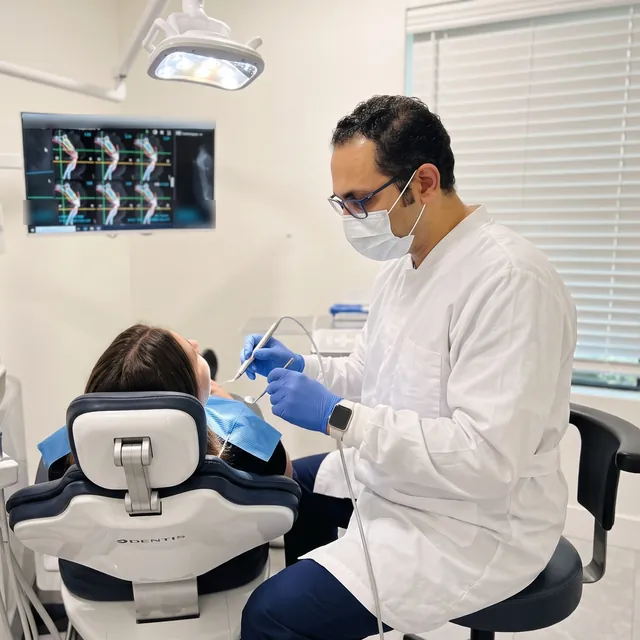
What is Periodontics?
Periodontics is the specialized branch of dentistry focused on the prevention, diagnosis, and surgical and non-surgical treatment of diseases affecting the supporting structures of the teeth — specifically the gums (gingiva), periodontal ligament (PDL), cementum, and alveolar jawbone. A Periodontist is a dental specialist who has completed three additional years of rigorous post-doctoral university surgical residency beyond dental school accredited by the American Dental Association (ADA).
At Aloha Dental Specialty Center in Beaverton, our periodontal department provides the full scope of periodontal care — ranging from deep ultrasonic cleanings (scaling and root planing) and LANAP laser bone regeneration to soft tissue gum grafting, bone regeneration, and the surgical placement and rescue of dental implants.
The Stages of Periodontal Disease: From Gingivitis to Tooth Loss
Gum disease is rarely sudden. It develops silently over months and years, often causing minimal pain in its early stages while progressively destroying the underlying bone. Understanding the progression of periodontal disease is vital for early intervention:
Stage 1: Gingivitis (Reversible Inflammation)
Gingivitis is the initial stage of gum disease, caused by the buildup of bacterial plaque along the gingival margin. Symptoms include red, puffy gums that bleed when brushing or flossing, and persistent mild halitosis (bad breath). Crucially, at the gingivitis stage, the infection is confined to the soft gum tissue — there is zero loss of underlying jawbone or connective tissue. With professional dental cleanings and improved home hygiene, gingivitis is 100% reversible.
Stage 2: Slight to Moderate Periodontitis (Permanent Bone Resorption)
When gingivitis is left untreated, anaerobic bacteria migrate beneath the gumline, releasing toxins that trigger chronic immune inflammation. The gums begin to pull away from the tooth roots, forming periodontal pockets measuring 4mm to 6mm deep. At this stage, irreversible destruction of the alveolar jawbone and periodontal ligament begins. Patients often notice receding gums, bad taste in the mouth, and increased space between teeth.
Stage 3: Advanced Periodontitis (Severe Bone Loss & Tooth Mobility)
In severe periodontitis, periodontal pockets exceed 7mm, and extensive jawbone support is destroyed (often 50% or more bone loss). Teeth lose their biological anchor, leading to noticeable shifting, loosening, painful chewing, recurrent gum abscesses (pus discharge), and eventual spontaneous tooth loss. Without specialist treatment, natural teeth cannot survive.
The Oral-Systemic Health Axis: Gum Disease and Whole-Body Health
Modern medical research has established that periodontal disease is not simply a localized oral issue — it is a serious systemic inflammatory condition. The vascular network of infected, ulcerated gum pockets allows virulent bacteria (such as Porphyromonas gingivalis) and inflammatory cytokines (IL-1, IL-6, TNF-alpha) to enter the bloodstream, circulating throughout the body:
- Cardiovascular Disease & Atherosclerosis: Periodontal bacteria have been directly identified within arterial plaques in coronary arteries. Chronic gum inflammation doubles the risk of heart attack and stroke by promoting vascular endothelial dysfunction and arterial clot formation.
- Type 2 Diabetes Glycemic Control: Periodontal disease and diabetes have a bidirectional relationship. Severe gum infection exacerbates insulin resistance, making blood sugar difficult to control. Conversely, treating periodontitis has been shown in clinical trials to lower HbA1c levels significantly.
- Rheumatoid Arthritis: The chronic inflammatory cascade triggered by periodontal pathogens mirrors and exacerbates autoimmune joint destruction in rheumatoid arthritis.
- Respiratory Infections: Inhaling periodontal pathogens from infected pockets into the lungs can cause aspiration pneumonia, especially in seniors and immunocompromised individuals.
Our Comprehensive Periodontal Treatment Spectrum
Under the direction of Dr. Walied Eldomiaty, Aloha Dental Specialty Center offers a full range of non-surgical, laser, and surgical periodontal interventions customized to the exact severity of your condition:
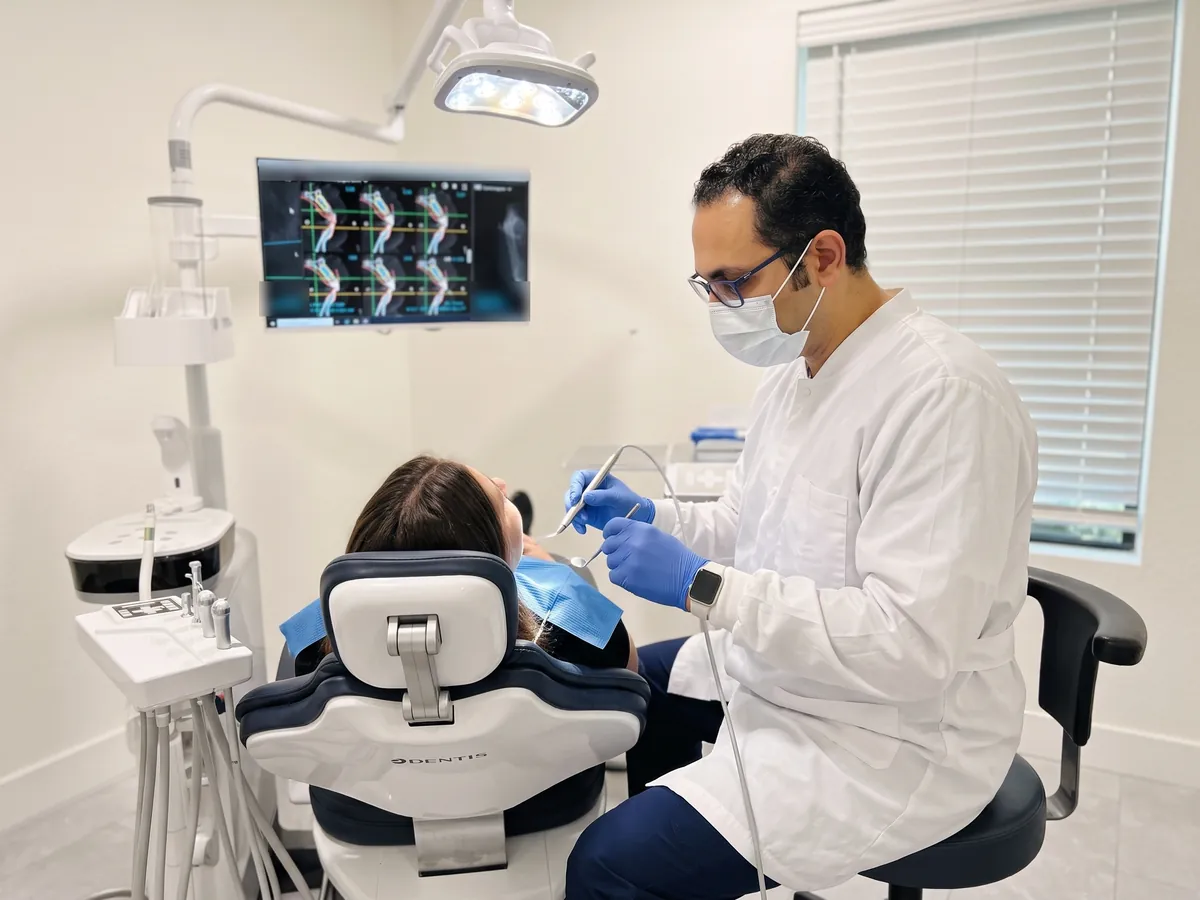
Scaling & Root Planing
Non-surgical deep cleaning using specialized piezoelectric ultrasonic scalers to remove subgingival calculus, biofilm, and bacterial toxins from root surfaces beneath local anesthesia.
LANAP® Laser Surgery
Minimally invasive PerioLase® Nd:YAG laser protocol that selectively vaporizes pathogens and stimulates true bone and tissue regeneration without scalpels or stitches.
Soft Tissue & Gum Grafting
Connective tissue grafting and free gingival grafts to restore lost gum coverage, eliminate tooth sensitivity, stop progressive recession, and protect tooth roots.
Bone Grafting & Ridge Augmentation
Biocompatible particulate bone grafts, bioactive collagen membranes, and PRF (platelet-rich fibrin) to rebuild lost jawbone defects around teeth or prepare for implants.
Functional Crown Lengthening
Surgically reshaping gum and bone tissue around a broken or deeply decayed tooth to expose sound natural tooth structure, allowing your general dentist to place a secure crown.
LAPIP™ for Failing Implants
Specialized laser decontamination of infected dental implant threads to stop peri-implant bone loss and regenerate healthy surrounding bone without damaging titanium.
Why See a Periodontist Instead of a General Dentist?
While general dentists are skilled at routine preventive care, fillings, and cleanings, advanced periodontal disease is a complex surgical specialty. A periodontist brings critical diagnostic and technical advantages:
- Three Years of Specialty Residency: Periodontists spend three intensive years after dental school performing advanced periodontal surgeries, bone regeneration, micro-vascular soft tissue grafting, and dental implant placement.
- Advanced 3D CBCT Bone Assessment: Dr. Eldomiaty utilizes our in-house 3D CBCT digital scanner to examine three-dimensional bone morphology, identifying vertical infrabony defects and multi-rooted furcation lesions invisible on standard 2D dental X-rays.
- Expertise in Tissue Regeneration: Rather than simply managing disease symptoms, a periodontist utilizes biologic growth factors (PRF), bone allografts, and laser regenerative protocols (LANAP) to restore lost structural anatomy.
- Saving Complex and Failing Teeth: Periodontists possess specialized micro-surgical techniques that can save teeth frequently considered hopeless by general practitioners, avoiding costly extractions and dental implants whenever clinically sound.
Soft Tissue Grafting: Restoring Receding Gums
Gum recession occurs when the pink gingival tissue surrounding the teeth pulls back, exposing the underlying tooth root. Common causes include aggressive tooth brushing, genetics, periodontal disease, clenching/grinding (abfraction), and orthodontic movement. Exposed roots lack protective enamel, making them highly susceptible to root decay, painful sensitivity to hot and cold, and eventual bone loss.
Dr. Eldomiaty performs minimally invasive soft tissue grafting procedures to rebuild protective, attached keratinized tissue:
- Connective Tissue Graft: The gold standard for covering exposed roots. A micro-thin layer of connective tissue is placed beneath the receded gumline, re-establishing a thick, natural, aesthetic gum border.
- Free Gingival Graft: Used to add a band of tough, keratinized gum tissue around teeth or dental implants with fragile, paper-thin tissue, preventing future recession.
- Acellular Dermal Matrix (Biologic Graft): For patients with extensive recession across multiple teeth, donor tissue matrices can be utilized to eliminate the need for a secondary harvest site on the roof of the mouth, enhancing post-operative comfort.
Periodontal Maintenance vs. Routine Dental Cleanings
A common point of confusion for patients is the difference between a routine dental prophylaxis ("regular cleaning") and Periodontal Maintenance Therapy:
- Prophylaxis (Every 6 Months): Designed strictly for healthy patients with no history of bone loss or periodontal disease. It focuses on polishing tooth enamel above the gumline and removing light plaque.
- Periodontal Maintenance (Every 3 to 4 Months): Medically necessary for patients who have undergone treatment for periodontitis. Periodontal pathogens recolonize deep pockets within 9 to 12 weeks. Three-month maintenance appointments disrupt bacterial biofilms before they can destroy newly regenerated bone, measure pocket depths, and apply localized antimicrobials to maintain stable oral health.
Periodontal Insurance Coverage, Costs & 0% Financing
At Aloha Dental Specialty Center, we believe specialized periodontal care should be clear, transparent, and affordable. Periodontal procedures are covered under the major restorative and surgical benefits of most PPO dental insurance plans (including Delta Dental of Oregon, MetLife, Cigna, Aetna, Guardian, and Premera):
- Scaling and Root Planing: Typically covered at 70% to 80% by dental insurance.
- Periodontal Surgery & LANAP: Typically covered at 50% to 80% under surgical periodontal codes (CDT D4260/D4261).
- Periodontal Maintenance (D4910): Most insurance plans cover periodontal maintenance cleanings up to 4 times per year.
Our treatment coordinators provide a detailed, itemized cost estimate prior to treatment and handle all insurance pre-authorizations and claim submissions. For remaining copays or uninsured patients, we offer 0% promotional APR financing through CareCredit for 12 to 24 months.
Before & after
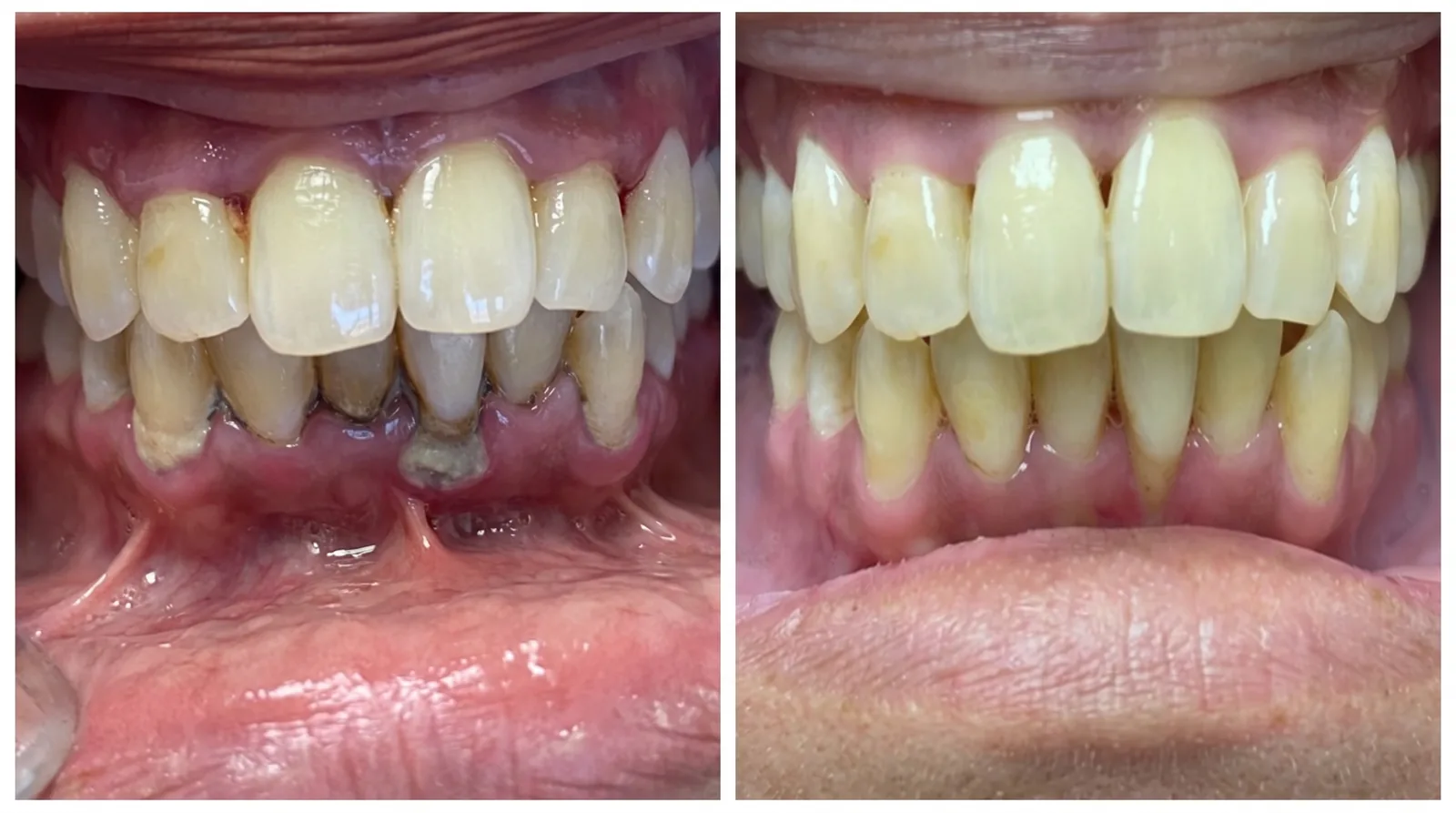
- Individual results vary
- Photos shown with patient consent
Frequently Asked Questions About Periodontics
Key warning signs of periodontal disease include gums that bleed easily when brushing or flossing, red, swollen, or tender gums, persistent bad breath or a bad taste, receding gums that make teeth look longer, loose or separating permanent teeth, changes in the way your teeth fit together when you bite, and pus or discharge between your teeth and gums. If you experience any of these symptoms, schedule an evaluation with Periodontist Dr. Walied Eldomiaty.
No referral is required. While many general dentists throughout Beaverton, Aloha, and Hillsboro refer complex cases to Dr. Eldomiaty, patients are welcome to contact Aloha Dental Specialty Center directly to schedule an independent periodontal evaluation or second opinion.
Yes, with modern periodontal regeneration techniques. Using LANAP laser therapy, bioactive bone grafting materials, collagen barrier membranes, and platelet-rich fibrin (PRF), Dr. Eldomiaty can stimulate your body's osteoblasts to regenerate bone in vertical periodontal defects where bone was previously destroyed by bacterial infection.
Gingivitis (early gum inflammation) is 100% curable with thorough professional cleanings and good oral hygiene. Once periodontitis has developed and bone loss has occurred, the condition is not considered 'cured' in the traditional sense, but it can be completely arrested and stabilized. With LANAP laser therapy and regular 3-month periodontal maintenance, patients maintain healthy, functional teeth for a lifetime.
Traditional osseous surgery involves cutting the gums with scalpels, reflecting them back, removing bone, and suturing the gums tightly lower down on the tooth, which often results in gum recession, pain, and sensitivity. LANAP uses a selective PerioLase Nd:YAG laser fiber to eliminate bacteria and stimulate natural bone and ligament regeneration without scalpels, sutures, or cutting healthy tissue, with a recovery time of just 24 hours.
All periodontal procedures at our Beaverton office are performed under profound local anesthesia, ensuring you remain comfortable during treatment. For anxious patients, we offer certified IV sedation and oral sedation. With modern minimally invasive techniques like LANAP, post-procedure discomfort is minimal and easily managed with over-the-counter pain relievers.
Patients with active periodontal disease have a significantly higher risk of developing peri-implantitis (bacterial infection around implants leading to bone loss). Before placing dental implants, Dr. Eldomiaty ensures all active gum disease is fully eradicated. For patients with existing implants experiencing bone loss, Dr. Eldomiaty performs the LAPIP laser protocol to decontaminate implant threads and arrest bone loss.
Following active periodontal treatment, clinical research strongly recommends periodontal maintenance cleanings every 3 months. Bacterial colonies in periodontal pockets begin to repopulate and release destructive endotoxins within 90 days. A 3-month schedule keeps bacterial loads below the threshold of tissue destruction, protecting your regenerated bone.